
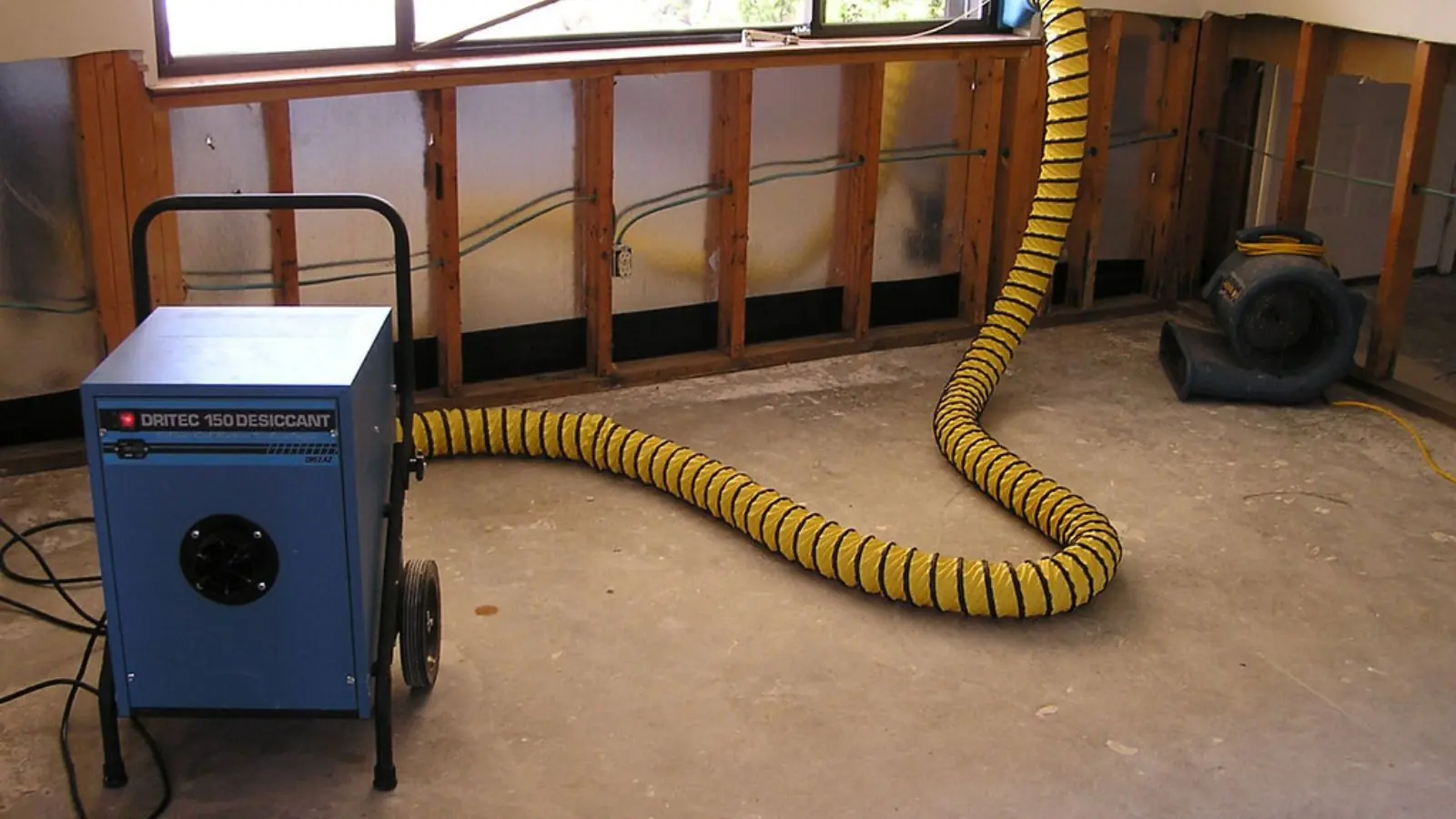
Water mitigation in Colton, CA is the work that stops a water loss from growing. It means finding the moisture, removing what cannot be saved, and drying the rest with air movers and dehumidifiers until readings return to normal. It is time-critical, so our dispatch line answers 24/7 and sends a crew the same day when available.
While you wait, turn off the water source, lift valuables off wet floors and keep fans moving air. Avoid heating the room, because warm, wet air feeds mold. If power is involved, stay out and ring the utility or 911 first and us second.
Damp walls, warped floors or a musty smell? That is what mitigation is for
Most people do not search for mitigation. They search for symptoms: the wall feels cool and damp, baseboards are swelling, a floor is cupping, carpet squishes underfoot, or a musty smell hangs in a closet. Each of these tells you water is still in the building materials, even if the surface looks dry.
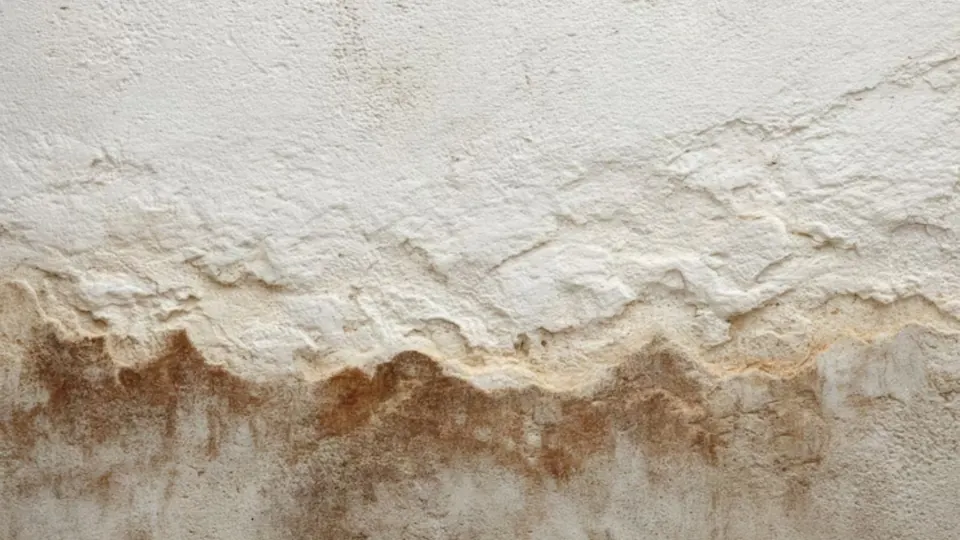
The trade name for the cure is water mitigation. It is the controlled removal of moisture from structure and contents, using a plan built from meter readings. It is different from cleanup, which removes debris, and different from repair, which rebuilds. See water damage cleanup and water damage repair for those stages.
The emergency window: the first 24 to 72 hours
Water moves. It wicks up drywall, runs under baseboards, soaks into subfloor and travels along joists. In the first day, much of the damage is still limited to surfaces. By day three, wet materials have swelled, finishes have lifted and the humidity in the room invites mold.
That is why calls at 3 a.m. matter, and why we answer after hours. An early start, even before the plumber finishes, often means drying in place rather than tearing out. Same-day response, when available, is the most useful thing a restoration company can offer.
Colton's own weather history is a reminder. The National Weather Service recorded atmospheric river storms across Southern California mountains and foothills in 2023, and runoff reached neighborhoods in the region. After a storm like that, moisture can sit in garages and low rooms for days, so start drying early.
What water mitigation includes
Stop the source
The leak, overflow or intrusion is stopped or contained so no new water is added.
Remove water and wet materials
Standing water is extracted, and saturated pad, insulation or board is removed.
Map the moisture
Meters and thermal imaging show where water traveled, and readings are recorded.
Dry and monitor
Air movers and dehumidifiers run, and readings are checked until the structure is dry.
The published ANSI/IICRC S500 standard for water damage restoration lays out how drying is planned and documented. A fair question for any company you call is whether its crews follow it.
Structural Drying
Structural drying is the core of mitigation. Wet drywall, framing, subfloor and concrete release moisture slowly, so drying depends on controlling the room's air, not just blowing a fan at a wall. Air movers push dry air across surfaces, and dehumidifiers pull the vapor out so it does not settle somewhere else.
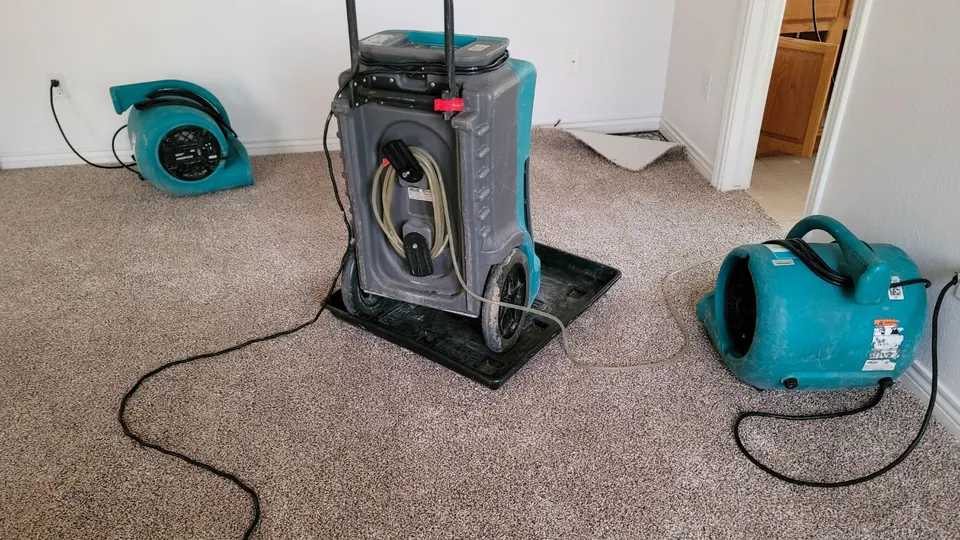
Low-grain refrigerant dehumidifiers work well in warm, humid rooms. Desiccant units suit cooler spaces or deeper drying jobs. Wall cavities may be dried through small drilled holes with directed air, so we can often save drywall that would otherwise be cut out.
Technicians visit to check readings, move equipment and adjust the setup. When walls, floors and framing read at their dry standard, equipment comes out. Rooms that will not dry are opened further, and that is a scope decision explained before it happens.
Drying equipment is placed and monitored by our crews as part of the job, so the scope you receive covers the whole process.
What mitigation looks like day by day
| Stage | What happens | What is checked | Why it matters |
|---|---|---|---|
| Day 1 | Source stopped, water extracted, equipment set | Moisture map and photos | Limits spread into walls and subfloor |
| Day 2 | Equipment runs, wet materials removed if needed | Readings in walls and floors | Shows whether drying in place is working |
| Day 3 | Equipment adjusted, cavities checked | Humidity and surface readings | Prevents damp pockets from lingering |
| Day 4 and later | Equipment removed once readings are dry | Final readings recorded | Supports your insurance documents |
The number of days varies with water category, materials and room conditions. Some losses dry in about three days, and others need longer.
What affects the cost of water mitigation
Water category
Clean, gray and black water are handled differently, and contaminated water adds removal and protective steps.
Affected square footage
More rooms and larger wet areas need more equipment and more monitoring visits.
Materials and construction
Concrete, wood framing, carpet and drywall each dry at different rates.
Drying days and equipment
The count of air movers and dehumidifiers and the days they run shape the total.
Rebuild scope
The better the drying, the less has to be torn out and replaced afterward.
A drying job is priced after the readings are in, not before, because wet materials and room size set the equipment count. Call and describe what is wet, and we will tell you what an assessment would look at.
Insurance and mitigation records
Policies often respond to water that escapes suddenly, such as a failed supply line, and often do not respond to slow seepage or neglect. Rising water from outside is a flood loss and usually needs its own flood policy. Ask your insurer what applies to you. Meter readings, photos and daily logs from mitigation are the records most adjusters ask to see.
We provide them, but we cannot promise any claim outcome.
Mitigation crews near Colton
We dispatch around the clock across Colton, ZIP 92324, and to neighbors such as Loma Linda. Our Loma Linda page explains local details, and the same drying approach applies.
If water is still on the floor, emergency water removal comes first. If the mitigation period passed with wet materials, mold can follow, and our mold remediation page explains that path. Call 24/7 and we will start the plan.
Frequently asked questions
Yes. Drying emergencies do not keep office hours, so a call at 2 a.m. or on a holiday reaches dispatch, and a crew is sent that same day when one is free.
Call as soon as you notice damp walls or standing water, because the first hours matter most.
Many clean-water losses dry in about three to five days, but timing depends on materials, water category and humidity.
Crews use air movers, low-grain refrigerant or desiccant dehumidifiers, and moisture meters, and they check readings until the structure is dry.
Mitigation stops damage and dries the structure. Repair rebuilds what was removed or too damaged to save. Good drying usually reduces how much repair is needed.
Sometimes. If the board is sound and the cavity can be dried with directed air, we dry in place. Soft, crumbling or contaminated board is removed.
As soon as possible, ideally in the first day. Water spreads through materials quickly, and damp rooms can start to grow mold within a few days.
S500 is the ANSI/IICRC standard that describes water damage restoration practice, including how drying goals are set. Ask whoever you hire whether their crews follow it.