
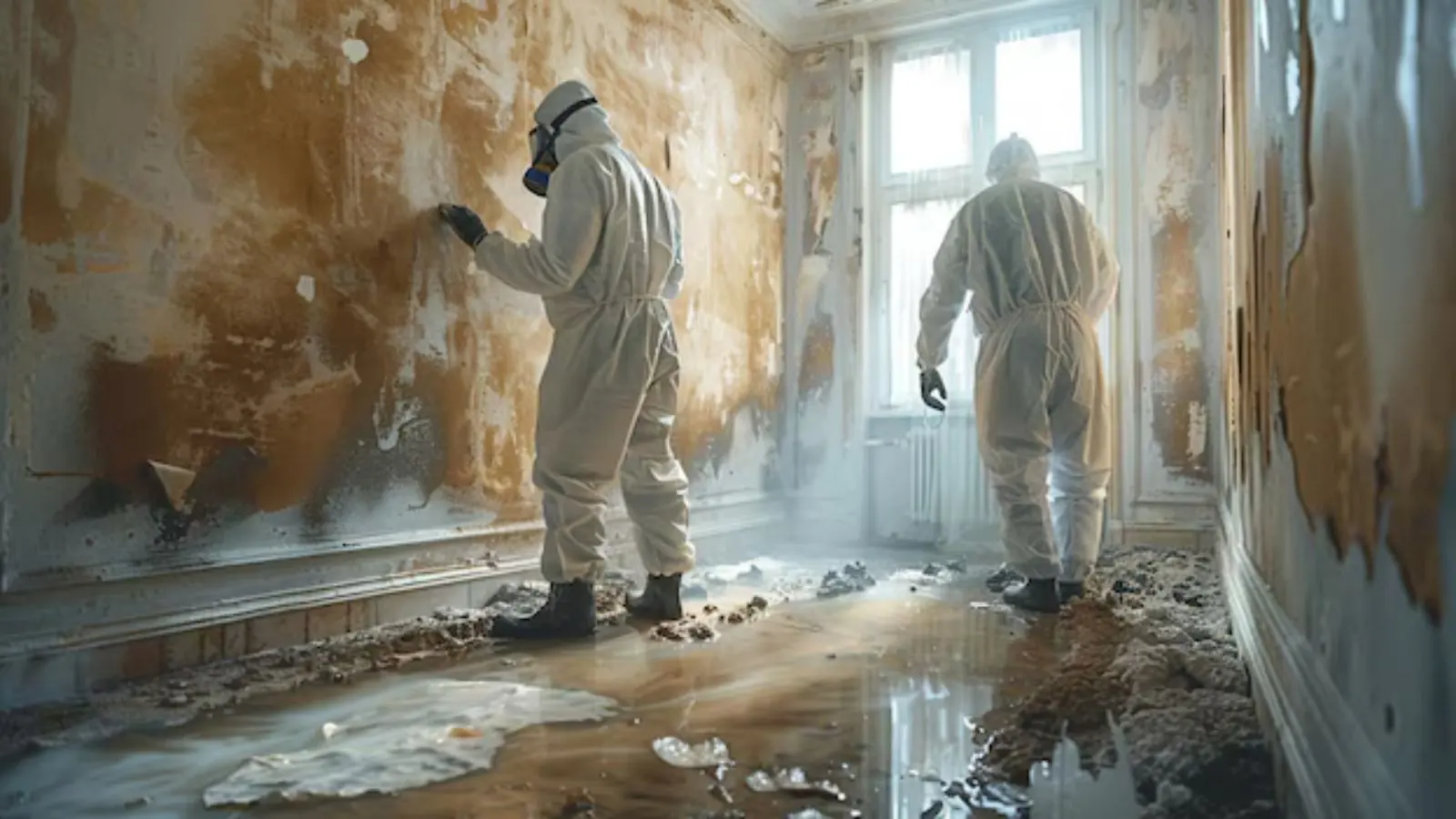
Mold remediation in Colton, CA: the moisture comes first
Mold remediation in Colton, CA means finding why a surface stayed wet, fixing that, then containing and removing the growth. Mold needs moisture to grow. Without a leak, a condensation problem or a long stretch of soaked material, there is nothing to feed it.
That is why we treat mold as secondary to the water damage that causes it, but not as a minor service. Callers describe closet leaks, dripping air-conditioner condensate lines, bathroom corners, remodeled walls and stained carpet edges. The common thread is almost always a water source nobody noticed in time.
ANSI/IICRC S520 is the published industry standard for professional mold remediation. When you compare companies, ask each one whether its crews follow it.
A musty smell, dark spots or a wet wall: when it points to mold
Most people do not search for mold remediation first. They search for what they see. A shower corner with dark spots, a closet where the carpet feels damp, a ceiling stain that spreads after rain, a room that smells stale even when clean. Each of those is a symptom, and each can point to hidden moisture.
Spotting on a surface does not tell you the size of the problem. Mold on drywall can extend behind the paint, and a stain on a ceiling may sit under a leaking roof or an upstairs bath. A moisture meter and thermal imaging camera show where the wet material is, even when the surface looks dry.
If you can see or smell something and recently had a leak, treat it as a mold question. Call, describe where it is and what happened, and we will explain what an inspection involves. Questions about health effects belong with a physician, not a restoration company.
What to do while you wait
- Stop any active leak and note where it came from, since the repair of that source is the first step.
- Avoid scrubbing or disturbing large moldy areas, which can spread spores through the house.
- Keep the area dry. Run a dehumidifier if you have one and fix any dripping lines.
- Do not paint or caulk over it. Covering growth hides the problem without removing it.
- Photograph the area and write down when you first noticed the leak or smell.
Mold is not an emergency in the way a flood is, but a call within a day or two keeps the problem from growing. The line is open around the clock, and a visit can often be set up the same day.
Mold testing and inspection
An inspection starts with a visual and moisture assessment. The inspector looks at the visible area, measures moisture in nearby materials and traces the likely source. Sampling may follow when the question is what kind of growth is present or whether a space has been cleaned properly.
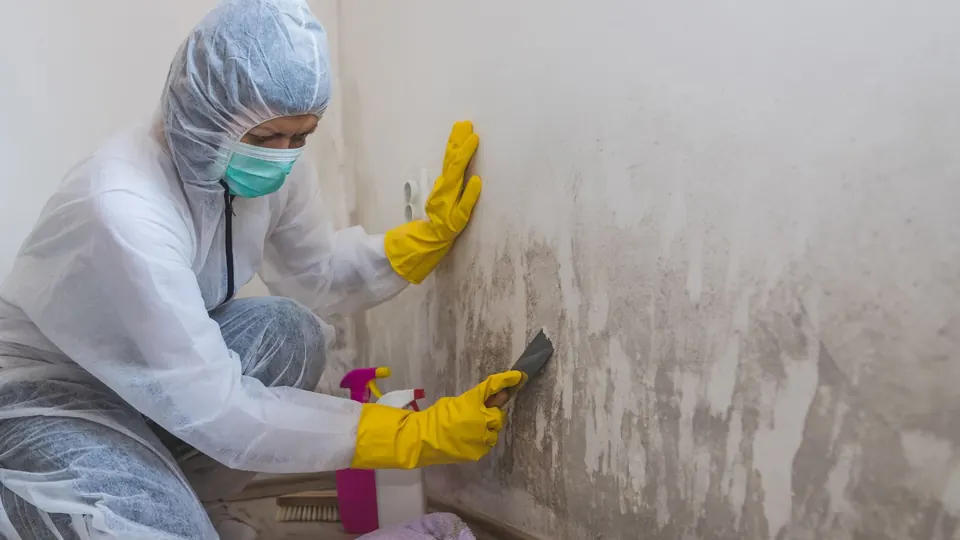
Independent clearance testing is a common request, especially after remediation or before a home sale. It is a test of the cleaned space against a defined standard, and it is usually performed by a party separate from the one that did the removal, so the result is not self-graded. Ask who will perform the test before work starts.
The California Department of Public Health states that the state issues no license or certification for mold assessors or remediators, and no state rule governs how mold is inspected or cleaned up. Separately, the state requires a contractor license for construction work that totals $500 or more. In practice, ask any company about its training and about the standards it follows.
Mold removal and black mold cleanup
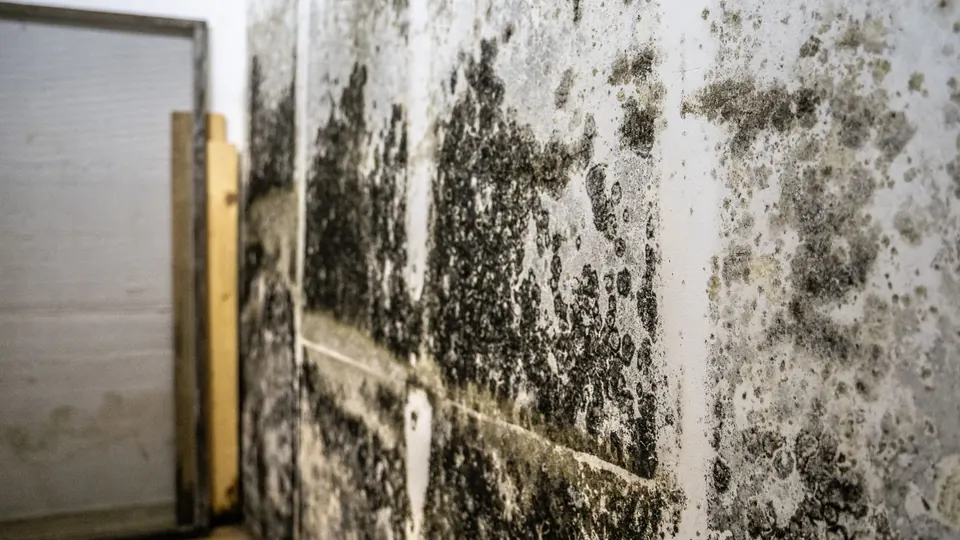
Black mold is a color, not a diagnosis. Dark growth can come from several organisms, and we do not identify risk by color or tell anyone what it has done to their body. What matters for cleanup is the material it grew on, how far it spread and how wet the area was.
Removal begins with containment. Plastic barriers seal the work area, negative air machines with HEPA filtration keep air moving inward, and workers wear respirators and protective suits. Porous materials that are visibly affected, such as drywall and carpet, are removed and bagged. Hard surfaces are cleaned with HEPA vacuums and wiping, not simple bleach sprays.
After cleaning, the area is dried to normal moisture readings and checked again. If the moisture source is not fixed, remediation will not hold, so the leak repair or condensate line correction is part of the plan.
Mold after water damage
Water damage that was not dried in time is the classic setup for mold. Wet drywall, carpet pad and insulation can stay damp for days, and the cavity behind a wall may never get airflow on its own. If a loss was cleaned but still smells, something is probably still wet.
The best prevention is fast drying. Water mitigation with air movers and LGR dehumidifiers reduces the window in which growth can start, and water damage cleanup removes materials that cannot be dried. If a loss from last month still has a stale smell, inspection is the right next call.
Flooding raises the stakes. Materials soaked by storm runoff or sewage are removed, and a delay in removal increases the chance of growth. See flood damage restoration for how those jobs run.
Mold in a home sale, rental or small business
Mold sometimes surfaces during a transaction. A buyer's lender may want the issue resolved before funding, a seller may want it cleaned before listing, and a renter may find it after moving in. These cases often call for documentation as much as cleanup.
A written scope, post-remediation moisture readings and independent clearance testing are the documents people ask for most. We cannot promise any lender, landlord or buyer will accept them, because each sets its own conditions. Ask them what they require before work begins.
About half of Colton's housing units are rentals, so some calls involve a landlord and tenant. The first step is a written notice to the property manager with dated photos. Keep legal questions for an attorney or tenant resource.
Decision table: what the situation suggests
| What you see | Likely cause | Typical next step |
|---|---|---|
| Dark spots at a shower corner | Poor ventilation or a caulk leak | Fix the leak or ventilation, clean small areas, inspect if it returns |
| Stained carpet edge in a closet | Condensate line or roof leak | Find source, test moisture, remove wet pad |
| Musty smell, no visible growth | Hidden moisture in a wall or floor | Moisture mapping and inspection |
| Spotting across a ceiling | Roof or upstairs plumbing leak | Repair the source, then containment and removal |
| Growth after a flood or sewage event | Soaked porous materials | Removal under containment, then drying and clearance testing |
What drives the cost of mold remediation
Mold cost depends on how much material is affected and how hard it is to reach. The price is set once the scope is known and explained before any work begins, and we do not publish per-square-foot numbers.
Area and materials
Growth on a small patch of drywall differs from growth across studs, subfloor and insulation.
Moisture source
A fixed condensate line is simpler than an unfound roof leak that keeps feeding the problem.
Containment and equipment
Barriers, negative air and HEPA filtration add setup time and labor.
Testing
Inspection and independent clearance testing are separate from removal.
Rebuild scope
Removed drywall, trim and flooring must be replaced afterward.
For a figure that fits your own wall or closet, call the dispatch line and describe what you found.
Insurance and mold
Check your policy early
California Department of Insurance guidance says mold that follows a covered loss may be covered. It advises homeowners to report the water damage at once and to call the adjuster promptly when mold is suspected. Flood policies usually exclude mold that could have been avoided.
We do not know what your policy will pay. Check your policy or ask your insurer, and keep photos, dates and written scope documents.
Nearby and related
Crews also work in Rialto, and the same process applies there. If the cause is a burst pipe or active leak, emergency water removal comes first and mold work follows when the moisture source is fixed.
Frequently asked questions
No. According to the California Department of Public Health, the state has no license or certification program for mold assessors or remediators, and no state rules cover mold inspection or cleanup. A state contractor license is still required for construction work of $500 or more, so ask about license status and about the standards a company follows.
It is testing of the cleaned area by a party separate from the remediation crew, to check the space against a defined standard after the work is done. It is often requested for sales, rentals or insurance files.
Small surface growth on hard, nonporous material can often be cleaned. Growth that has penetrated drywall, insulation or carpet is typically removed because those materials are porous.
Not always. A visual and moisture assessment often shows the problem and the source. Testing is more useful when the question is what is present or whether a space is clear after cleanup.
No. Mitigation stops and dries water damage. Remediation deals with mold growth that has already started. The two are often connected, and fixing the moisture source is part of both.
We cannot promise that. We provide a written scope and readings, and independent clearance testing can be arranged, but each lender or buyer sets its own requirements, so ask them first.