
Pick the service by what you see
Water damage work happens in stages, and each stage has its own crew, equipment and goal. The first stage stops the water and gets it out. The next dries the structure, removes what cannot be saved, and rebuilds. Mold work sits beside those stages because it only happens where moisture lingers.
If water is standing on the floor, start with emergency water removal. If the water is gone but walls, subfloors and cabinets are still wet, water mitigation is the drying stage that protects what remains. Once everything reads dry, water damage repair brings drywall, flooring and paint back.
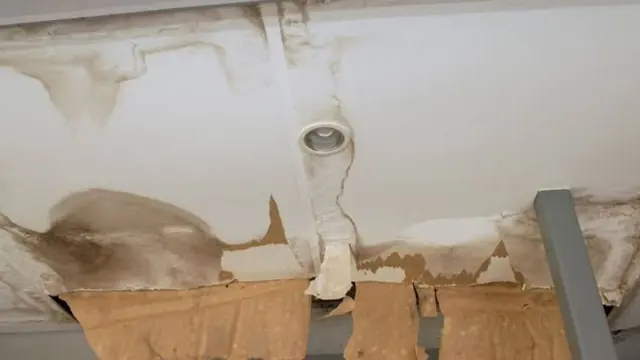
Water Damage Repair
Ceilings, walls, floors and finishes rebuilt once the structure is dry, with the cost laid out up front.
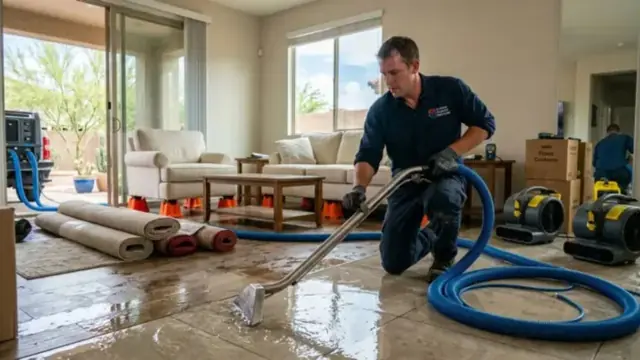
Emergency Water Removal
Pumps and extraction units remove standing water after a burst pipe, overflow or appliance failure.
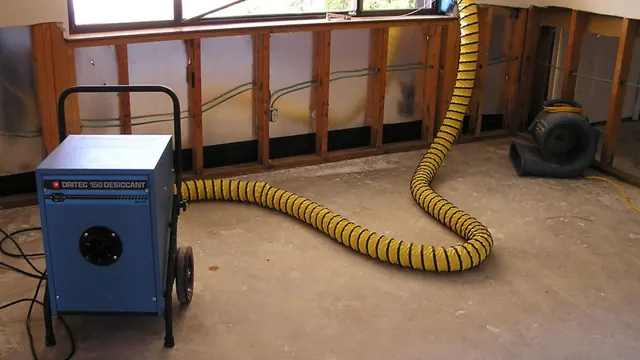
Water Mitigation
Drying, moisture mapping and monitoring in the first days of a loss, so damage stops spreading.
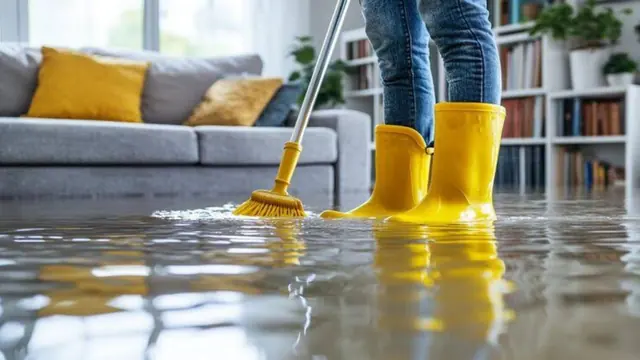
Water Damage Cleanup
Removal of soaked debris and ruined materials, sanitizing and deodorizing once the water source is stopped.
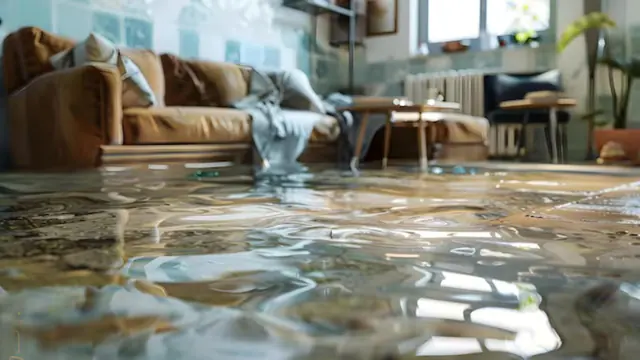
Flood Damage Restoration
Storm, river and groundwater flooding plus sewage backups, handled as Category 2 or 3 water.
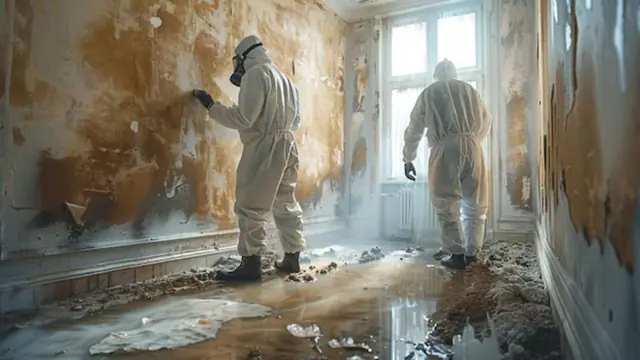
Mold Remediation
Moisture source, testing, containment and removal for mold after leaks, condensation and water damage.
How the services fit together
Most losses need more than one service in sequence. A burst pipe, for example, begins with extraction and source control, moves into drying, and ends with repair. Mold appears only when wet materials stay damp, which is why drying speed matters so much.
When contaminated water is involved, flood damage restoration covers the stricter protocols for river, storm and sewage water. Wet debris and ruined materials are handled by water damage cleanup, which includes sanitizing and deodorizing after the water is out.
Our secondary service, mold remediation, covers assessment, containment and removal of mold that follows a leak, with testing afterward. California does not license mold assessors or remediators, so ask any company how it plans to follow the S520 standard.
| Service | Main goal | Typical timing |
|---|---|---|
| Emergency water removal | Get standing water out and stop the source | Right away, any hour |
| Water mitigation | Dry the structure and stop spreading damage | First 24 to 72 hours |
| Water damage cleanup | Remove wet debris, sanitize, deodorize | After the water is stopped |
| Water damage repair | Rebuild drywall, floors, paint, cabinets | After drying is complete |
| Flood damage restoration | Handle storm, river, groundwater and sewage water | Right away, with stricter safety steps |
| Mold remediation | Contain and remove mold, then confirm with testing | After the moisture source is fixed |
How pricing and scope are handled
One habit runs through every service here: you hear the scope and the price first. Contaminated or clean water, how many rooms are wet, which materials took the hit, how many days drying machines run and how much gets rebuilt all shape that number. Nobody can state it honestly before someone looks at the loss.
Insurance questions get general answers only. A sudden burst is often covered while a slow seep often is not, and rising floodwater typically falls under separate flood coverage. Your policy and your insurer hold the real answer. Call the line any hour and a coordinator will explain the next step.