
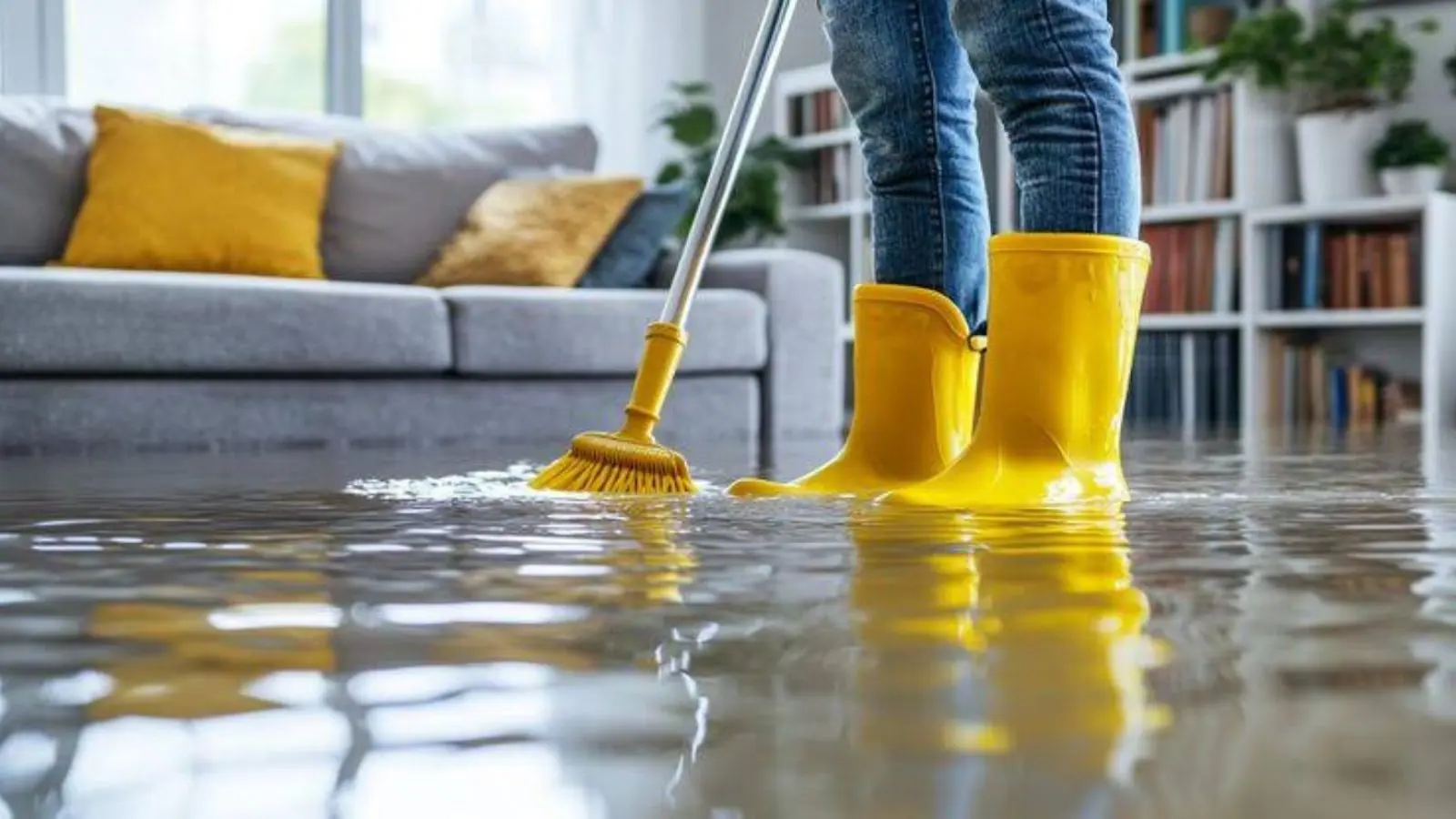
Water damage cleanup in Colton, CA: what it covers
Water damage cleanup in Colton, CA is the stage where the damaged material leaves the building. Once the leak, overflow or storm intrusion has been stopped, crews pull out soaked carpet pad, wet insulation, swollen baseboard and anything else that cannot be dried safely, then sanitize and deodorize what remains.
This is different from pumping out standing water, which happens first, and from rebuilding walls and floors, which happens last. Cleanup sits in the middle. It decides what is saved, what is thrown away and what the drying crew has to work around.
Most of the cleanup calls we dispatch start the same way. Somebody has stopped the water, mopped what they could and discovered that the room still smells, the carpet still squishes and the wall is cold to the touch. That is the right moment to call, because those are all signs that moisture is still inside the materials.
When cleanup is an emergency: the first 48 hours
Water damage is a clock problem. In the first day or two, wet drywall starts to soften, carpet backing lets go of its adhesive, and a damp cavity becomes a place where mold can start. We treat any soaked room as an urgent job and answer the dispatch line 24/7, including nights and weekends.
While you wait for a crew, a few steps help. They apply to water that came from a clean source such as a supply line. Anything involving sewage or floodwater is a different case, covered in the safety box below.
- Stop the source if you can. Close the shutoff valve at the fixture or the main water valve at the street side of the house.
- Flip the breaker for wet rooms only when the panel stands in a dry spot you can reach on foot without wading.
- Lift furniture legs onto foil or plastic blocks, and move rugs, books and electronics to a dry room.
- Open interior doors and run a fan on dry air if the weather is dry, but do not use a household vacuum on wet carpet.
- Take photos and video of every wet surface before anything is moved, for your records and your insurer.
Safety first: sewage, floodwater and electricity
If the water came from a sewer line, a toilet backup or outdoor flooding, stay out of it, keep children and pets away, and do not try to clean it yourself. If water is near outlets, a panel or an appliance, or you smell gas, leave the area and phone the utility or 911 before dialing us.
What gets removed and what gets saved
Not everything wet is ruined. The call depends on the material, how long it stayed wet and the water category. Clean supply water is Category 1. Water with some contamination is Category 2. Sewage and river floodwater sit in Category 3. ANSI/IICRC S500 is the industry reference for those categories, and anyone you are thinking of hiring can be asked whether their crews follow it.
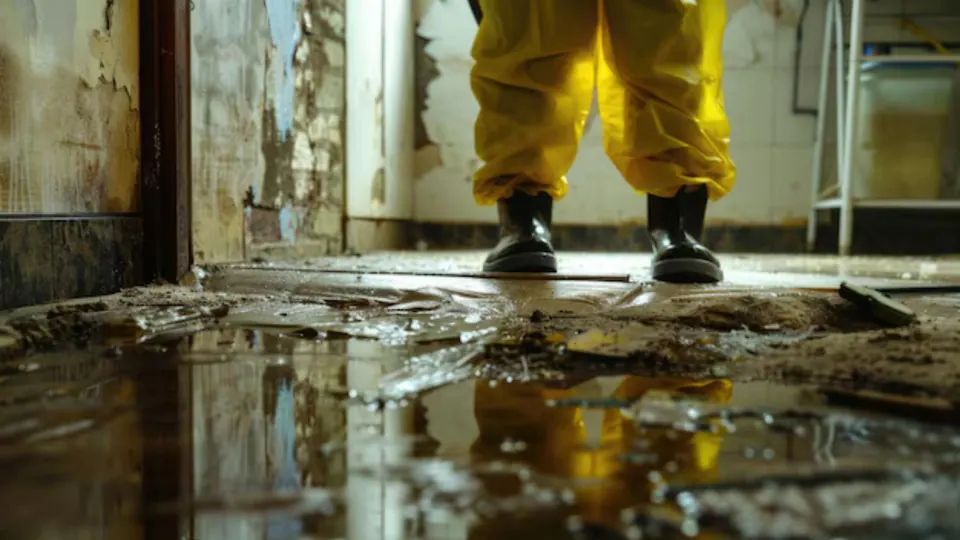
Porous materials hold contaminated water and are usually removed. Hard, sealed materials can often be cleaned and dried in place. The table shows how those calls are usually made.
| Material | Clean supply water (Cat. 1) | Contaminated water (Cat. 2 or 3) |
|---|---|---|
| Carpet and pad | Pad usually removed, carpet often dried and kept if caught early | Both removed and discarded |
| Drywall | Dried in place if firm, cut out if soft or stained | Removed above the wet line, often higher |
| Fiberglass insulation | Removed when saturated, since it stays wet | Removed |
| Solid wood and sealed hardwood | Often dried with controlled equipment, outcome varies | Surface cleaned and judged case by case |
| Tile, concrete, sealed stone | Cleaned and dried | Cleaned and disinfected |
| Upholstered furniture | Cleaned or dried if caught quickly | Usually discarded |
Sanitizing, deodorizing and how cleanup is finished
After the ruined material is out, the structure is cleaned. Surfaces are wiped or sprayed with an antimicrobial product suited to the material, and debris is bagged and hauled so it does not sit in a garage or driveway. Wall cavities are checked with a moisture meter and a thermal imaging camera, because a dry-looking wall can still hold water behind the paint.
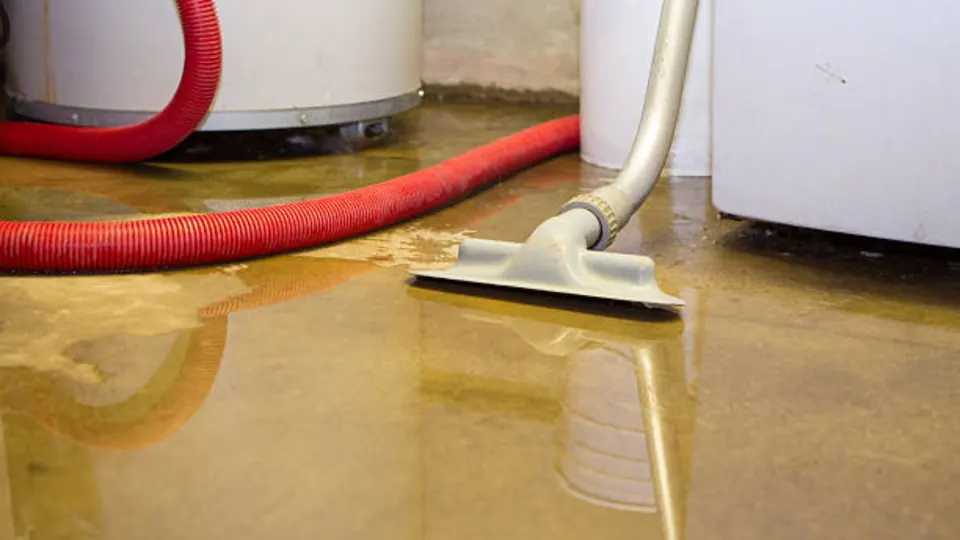
Odor needs its own step. A musty smell means moisture or microbial growth is still present, and masking it with a spray only delays the problem. Crews find the source first, remove it, then use air scrubbers or other deodorizing methods so the room smells like a room again and not like a fix.
Drying equipment usually runs alongside cleanup. Air movers push dry air across surfaces and LGR dehumidifiers pull moisture out of the air, a process covered on the water mitigation page. Cleanup and drying are scheduled together so one does not undo the other.
Cleanup in a Colton home or rental
Colton water arrives through a city-run system. The City of Colton produces its water from deep wells and operates its own sewer service, so a supply line failure in a house is a Category 1 event at the start. That is the best case for saving materials, as long as it is handled quickly.
Roughly half of Colton's 16,632 housing units were renter-occupied in the 2020 census, so many cleanup calls start in an apartment or a rented house. In a rental, tell the landlord or property manager in writing right away, photograph the damage, and keep receipts for anything you throw out. It makes the next conversation with the owner and any insurer much simpler.
Older downtown buildings near Eighth Street and H Street often have plaster, old flooring layers and tight wall cavities. Water in those buildings can travel along framing before it shows, so expect crews to probe beyond the visible stain and to open small inspection holes in the wall.
What drives the cost of cleanup
We do not quote prices on a web page because the scope decides the number. The figure comes after someone has seen the space or talked it through with you, and it is explained before any tear-out begins. These are the factors that move the total.
Water category
Clean supply water allows more material to be saved. Sewage or floodwater means more tear-out and more disinfecting.
Affected area
A single bathroom is a different job from a hallway, two bedrooms and a kitchen sharing one slab.
Materials involved
Carpet and pad, drywall, insulation and cabinetry each have their own removal and disposal needs.
Time since the loss
Materials that stayed wet for days are more likely to need removal than ones caught on the first night.
Rebuild scope
Cleanup leaves bare framing and subfloor. What is put back afterward is priced separately.
To start on your own figure, call the dispatch line and say what is wet. A short conversation usually shows whether a visit is needed.
Insurance and documentation
Document before you discard
Many homeowners policies respond to a supply line that bursts, but often do not respond to a slow leak left alone for months. Floods are normally excluded from those policies and covered, if at all, by a flood policy of their own. Your insurer, not us, can say what your policy will pay.
Photograph wet materials before removal, keep a list of what was thrown away and save any receipts. Crews can provide notes on what was removed and why.
Where cleanup leads next
If the space is dry and clean but walls and floors are open, the next call is water damage repair. If a musty smell or dark spotting is already present, mold remediation follows the S520 standard and is handled separately from ordinary cleanup.
We also dispatch to nearby towns. A flooded laundry room in San Bernardino just north of Colton gets the same sequence: stop the source, remove what cannot be saved, sanitize and dry.
Frequently asked questions
Yes. Cleanup calls are taken around the clock, and a crew heads out the same day when one is open. Tell the dispatcher what is wet, what the water came from and whether power or sewage is involved.
If the situation involves live electricity, gas smell or sewage, call the utility or 911 first, then call us.
Water removal pumps and extracts standing water. Cleanup comes after, removing soaked debris and ruined materials and sanitizing the space. In many jobs both happen on the same visit.
Sometimes. Carpet exposed to clean supply water and dried quickly can often be saved, though the pad underneath is usually replaced. Carpet touched by sewage or floodwater is removed.
A small, clean-water loss can be cleaned in a day, while a larger loss with tear-out, sanitizing and drying equipment can run several days. Drying time depends on materials, humidity and how deep the moisture went.
It does when the source is removed. If the smell persists after cleanup, moisture is probably still inside a wall, floor or ceiling and needs to be located with a moisture meter.
Not always. Clean-water jobs in one room often allow normal use of the rest of the home. Sewage, mold work or heavy tear-out may call for staying elsewhere, and the crew will explain that before starting.