
The job in one paragraph
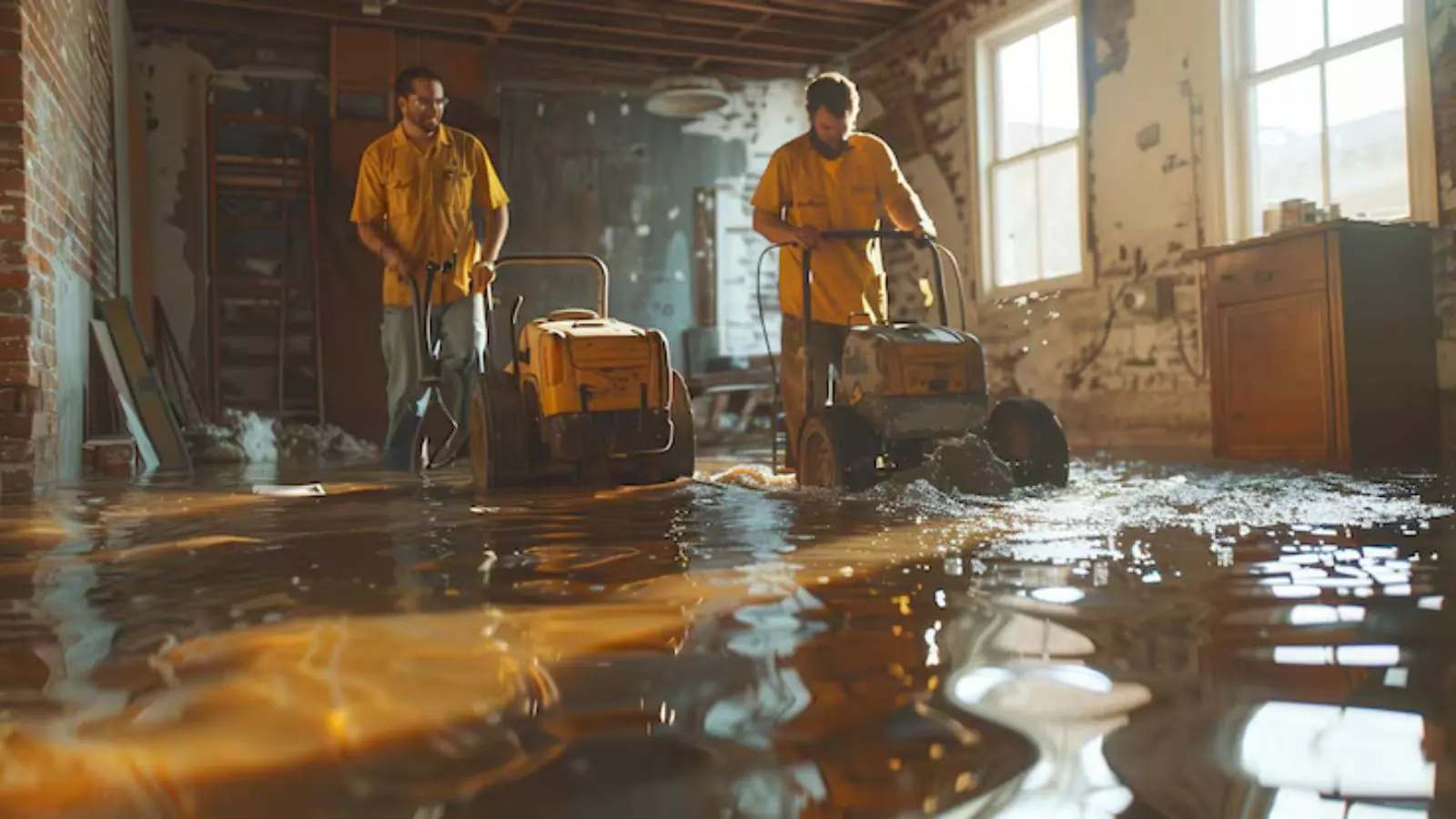
A water loss job runs in five stages: safety check, assessment, water removal, drying, and repair. The first three can happen in a single visit, drying takes several days of equipment running, and repair starts only when the structure reads dry.
Most of the confusion homeowners feel comes from not knowing which stage they are in. The timeline below shows who does what, so a crew arriving with machines on day one and returning on day three to check readings does not look like wasted effort. That return visit is the job working as designed.
Stage 1: The call and the safety check
The first call sorts the situation. The dispatcher asks where the water started, whether it is still running, how long it has been there and whether any electrical panel or outlet is wet. Those answers decide how fast a crew is needed and what you should do before they get there.
On site, the crew checks the water source and the electricity before touching anything. If sewage is involved or an electrical hazard is suspected, work waits until the risk is handled, and you may be told to call the utility or 911 first.
The crew then classifies the water with the terms in ANSI/IICRC S500, the published standard for water damage restoration. Category 1 means clean source water, for example a broken supply line. Category 2 carries some contamination. Category 3 is grossly contaminated, as with sewage or river water. You can ask the company whether its crews work to that standard.
Stage 2: Assessment and moisture mapping
A technician walks the affected rooms with a moisture meter and, in many jobs, a thermal imaging camera. Readings are taken on walls, floors, baseboards and sometimes ceilings below. The results are recorded so the extent of the water is on paper rather than in memory.
That map becomes the scope of work: which materials can be dried in place, which are removed, and how many air movers and dehumidifiers the structure needs. It also becomes documentation for your insurer, since photos and readings show what was wet and when.
Stage 3 to 5: Removal, drying and repair
Standing water comes out first with pumps or extraction units. Carpet pad, soaked insulation and swollen drywall that cannot be saved are cut out and bagged, because wet material left in place stays wet and can grow mold.
Next comes the drying equipment. Air movers blow air across wet surfaces while LGR dehumidifiers draw moisture from the room, which stops it from soaking back into the structure. Technicians come back to read the meters, and drying ends when the materials hit their dry standard, not after a set number of days.
Once the structure is dry, water damage cleanup sanitizes and deodorizes what remains, and water damage repair rebuilds drywall, flooring and paint. If the loss is large, you may also want a plain explanation of how water mitigation ties the early work together.
Typical timeline
| Stage | What the crew does | What you do |
|---|---|---|
| Call | Triage, safety questions, dispatch | Shut off the water at the main if it is safe to reach and describe what is wet |
| Day 1 | Assessment, moisture map, extraction, demolition of unsalvageable material | Move valuables, photograph damage, keep people and pets out |
| Days 2 to 4 | Equipment runs, readings are taken and logged | Keep equipment on and doors closed unless told otherwise |
| Dry reading | Equipment removed once materials reach dry standard | Review the readings and the scope for repairs |
| Repair | Drywall, flooring, paint and finish work | Choose finishes and confirm any permit questions |
Drying days vary with the materials, the amount of water, and the size of the space. Treat any day count as a guide, not a promise.
Colton note: supply water, permits and inspections
The City of Colton states that its water comes entirely from deep wells and that water, sewer and electric service are city-run, according to the city's Public Works and Utility Services pages. For a homeowner, that means a burst supply line inside the house is typically a Category 1 starting point, but it can slide toward Category 2 if it sits in carpet or insulation for a long time.
Structural or permitted repair is a question for the City of Colton Building and Safety Division. The city's page lists plan check, permits and inspections among the division's jobs. Describe your repair to the division and ask whether it needs a permit.
For repairs that run past the dry reading, plan the rebuild calendar around that inspection schedule so a finished wall is not held up waiting on a visit.
The same visit-by-visit order applies when crews dispatch from Colton to neighboring towns. Whether the call comes from Loma Linda or Grand Terrace, the safety check, moisture map and logged readings come first, and the paperwork follows the loss.
One practical habit helps in every town: keep a single folder, on paper or on your phone, with the call time, photos, readings and any adjuster messages. When the repair stage arrives, that folder answers most questions before anyone has to ask.
Frequently asked questions
It depends on the materials and the amount of water, and most jobs involve several days of equipment running. Technicians return to read moisture meters until materials reach their dry standard. The reading decides the end date, not a calendar count.
Air movers and LGR dehumidifiers keep moisture moving out of walls, subfloors and framing that cannot be seen. Stopping early leaves hidden wet material that can lead to mold and swelling. The readings tell the crew when it is safe to stop.
Someone should be reachable and be able to give access, but you do not need to stand over the work. Equipment can be loud and runs continuously, so many people choose to stay elsewhere. Ask the crew what access they need on return visits.
Photograph the water source and the damage with dates, hold on to receipts and keep the moisture readings the crew gives you. California's Department of Insurance recommends telling your insurer about water damage without delay. Keep damaged items until your adjuster releases them.
Drying and cleanup usually do not. Structural or permitted repairs might, and Colton's building division can tell you which applies, so ask about your specific repair before the rebuild is scheduled.