
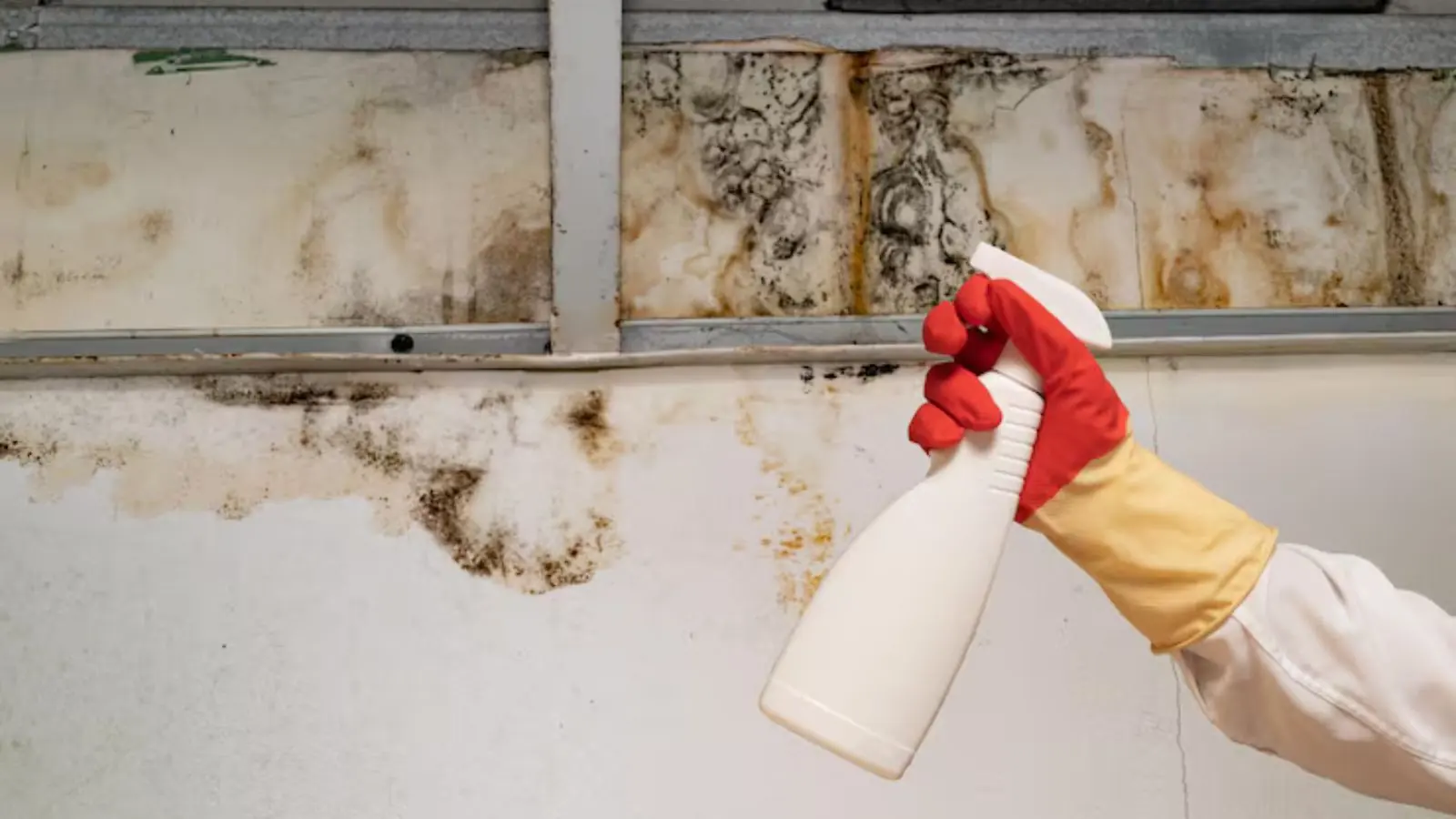
Where hidden mold comes from
Hidden mold in a closet or wall almost always traces back to water that stayed in place for days. A slow supply line weep, a clogged air conditioner condensate line, a toilet seal or a shower valve behind the wall can wet drywall from the inside while the surface looks normal.
The surface clues show up late. By the time paint blisters or a baseboard softens, the back of the drywall and the insulation in that bay have often been damp for a while.
Mold needs moisture, so the useful question is not "is it mold?" but "where is the water coming from?" Find that first, and the rest of the plan gets simple. If the source is confirmed and the material is wet, water mitigation dries the structure before any cleanup begins.
Five signs to check in a closet or along a wall
- A musty or earthy smell that is stronger near one wall, especially when the door has been shut.
- Paint that bubbles, peels or looks stained in a ring near the baseboard or ceiling corner.
- Baseboard or door trim that feels soft, swollen or pulls away from the wall.
- Carpet that feels damp along the wall edge or smells sour when you pull a corner back.
- Stains on the ceiling below an upstairs bathroom, laundry or air handler.
One sign alone can be dust or old staining. Two or three together, or any sign that gets worse after rain, a shower or a hot afternoon with the air conditioner running, deserve a proper moisture check.
Match the symptom to the likely source
| What you notice | Likely source | What to check |
|---|---|---|
| Closet wall musty, carpet damp at the edge | Air conditioner condensate line or drain pan | Pan for standing water, line for slime or a clog |
| Ceiling stain below a bathroom | Toilet supply, wax seal or shower valve | Shut-off valve joints, base of the toilet, tile grout |
| Bubbling paint near a sink wall | Supply line or drain connection | Under-sink cabinet floor, shut-off valves, p-trap |
| Stain that grows after rain | Roof, flashing or siding penetration | Attic underside, roof valleys, exterior caulk |
| Corner of wall and ceiling in a shower area | Condensation or failed grout and caulk | Exhaust fan operation, caulk lines, shower door seal |
This table narrows the search but does not replace a measurement. Two sources can feed the same wall, and the one you can see is not always the one that is wet.
What an inspection actually does
A technician starts with a moisture meter, which reads moisture inside drywall and wood without cutting anything. A thermal imaging camera then shows temperature differences that point to wet areas behind the surface, though it only shows where to look and not what is there.
If readings are high, a small inspection opening is cut in a spot that will be easy to patch. That lets the crew see the back of the drywall, the insulation and the framing, and decide whether the damage is limited to one bay or runs along the wall.
From there the scope separates into three questions: what is wet, what is affected by mold, and what can be dried and cleaned instead of removed. That split is the basis for how the work is priced and sequenced.
What to do today while you decide
- Stop the likely water source if you can find it, using the shut-off valve for a supply line or turning off the air conditioner if the pan is overflowing.
- Open the closet or room door and move stored items away from the wall, bagging fabric items that smell musty.
- Photograph the stain, the smell location and the nearest water line before you touch anything.
- Do not scrub or bleach a large area, since that can hide where the moisture is and drive the problem deeper.
- Keep a log of when the stain grew, and tell your landlord or property manager in writing if you rent.
If the smell is strong or the wall is clearly wet, mold remediation covers containment and cleanup, and crews dispatch to San Bernardino and Loma Linda as well as Colton.
Colton note: rentals and who acts first
Census data shows Colton's housing is split almost evenly: the 2020 count lists 16,632 housing units, with about 50 percent owner-occupied and 50 percent renter-occupied, and QuickFacts puts the 2020 to 2024 owner rate at 52.8 percent. That means many closet and wall leaks are noticed by a tenant who does not own the pipe.
If you rent, send the property manager a dated photo and a written message so the repair request has a start date. Owners should phone their insurer soon, because the California Department of Insurance claims guide advises homeowners to contact the adjuster right away when mold is suspected.
The City of Colton runs its own water and sewer service, so a leak on the street side of your meter is a city matter, while everything after the meter is yours or your landlord's. If you are unsure where the leak starts, check your water bill and the meter before calling anyone.
Frequently asked questions
You cannot be certain without a measurement. A musty smell, bubbling paint and a soft baseboard are clues, and a moisture meter plus thermal camera can show wet areas behind the surface. A small inspection opening confirms what is there.
Yes, when the condensate line clogs or the drain pan overflows, water can soak the nearby wall and carpet. It is a common hidden source in homes with an air handler in or beside a closet. Check the pan and line before assuming a plumbing leak.
Cleaning a small surface stain is different from treating a wet wall. Bleach does not dry the structure or find the leak, and it can hide the evidence a technician needs. Locate and stop the water first.
Tell the property manager or landlord in writing with dated photos. That creates a record for repairs and for any insurance conversation later. If the problem is an emergency, such as active water, say so plainly in the message.
Per the California Department of Insurance, mold resulting from a covered peril may be covered, while gradual leaks and neglect are often treated differently. Read the policy language, or ask the insurer directly, and give notice of the damage without delay.