
The short answer: pump first, then dry what the water touched
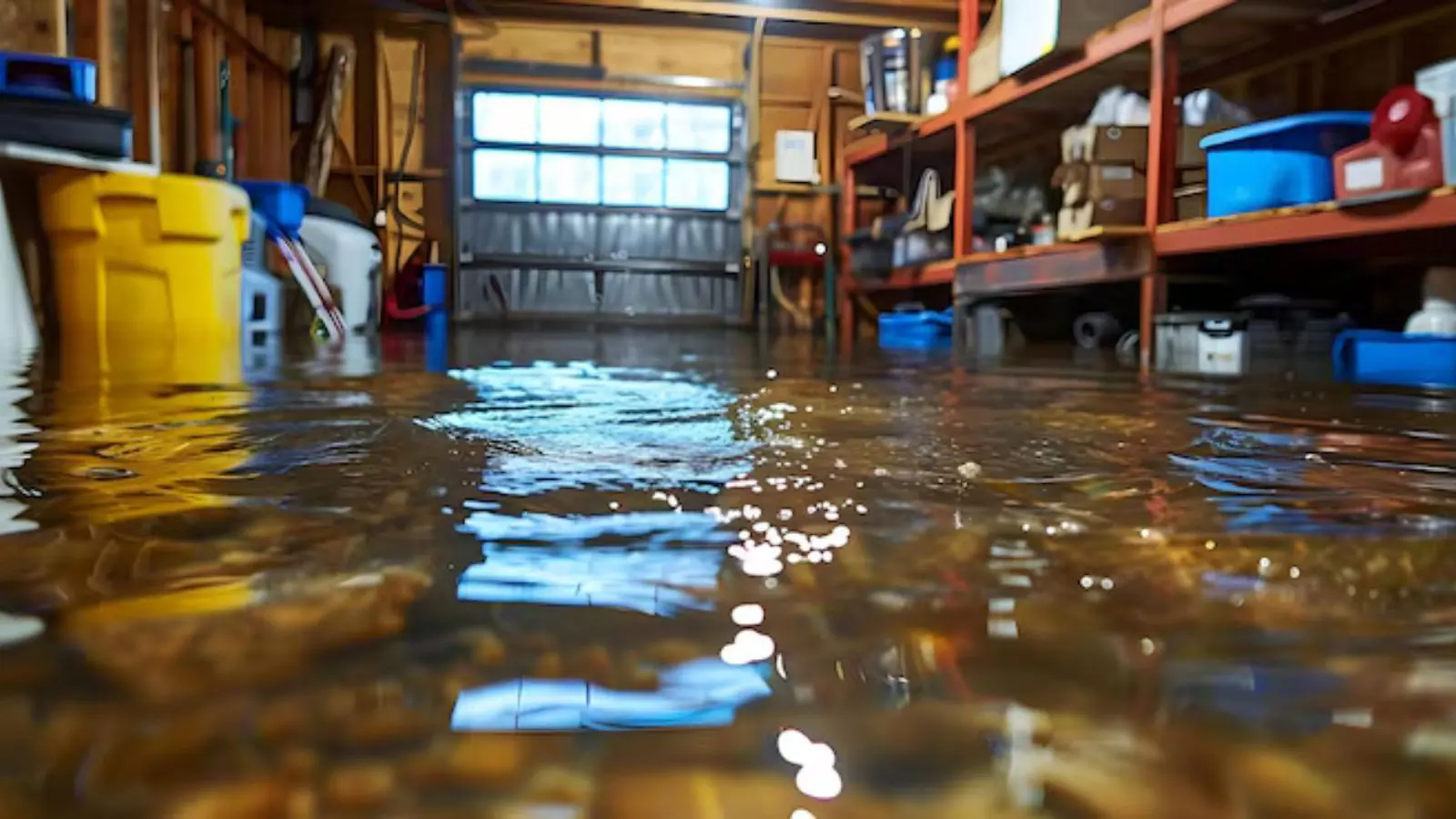
Standing water in a garage, a sunken room or a crawl space is removed with pumps or extraction units, and then the structure is dried with air movers and dehumidifiers. Moisture meters decide when drying is done. Skipping that last step is how a floor that looks dry turns into a musty one a month later.
Before anything else, treat the space as electrically unsafe. A garage panel, an opener motor or a crawl space light can all sit near water. If the panel is out of reach on dry ground, stay clear of the room and phone the utility or 911 about any electrical hazard before calling a restoration line.
This guide covers the cleanup side. It does not claim that Colton homes have basements, and it does not diagnose why your water arrived. It explains how the work proceeds once the source is stopped.
Why low spots behave differently
Water follows gravity and then lingers. A garage slab often sits lower than the house floor, a crawl space sits under the floor framing, and a sunken room traps water at its lowest corner. Each one keeps moisture in different materials.
A slab holds water in stored boxes, drywall bottoms and the wood plates at the base of walls. A crawl space holds it in insulation, soil, wood framing and sometimes ductwork. A sunken room holds it in carpet, pad and the lower wall cavity.
| Where the water is | What it soaks into | Typical response |
|---|---|---|
| Garage slab | Stored cardboard, wall bottoms, wood base plates | Extract, remove wet stored items, dry wall bottoms, check the door to the house |
| Sunken room | Carpet, pad, lower drywall, baseboards | Extract, pull pad, cut wet drywall high enough to reach dry material, dry the cavity |
| Crawl space | Insulation, floor framing, soil, ducts | Pump or extract, remove wet insulation, dry framing and soil surface, check moisture in the floor above |
What to do while you wait
- Stop the source if you can reach it safely. Close the main water valve for a supply line break.
- Do not step into standing water until you know the circuit is off or the water is not near any outlet.
- Move what you can above the water line: boxes, tools, chargers and stored paper.
- Photograph the water line on the wall, the items affected and the source before anything moves.
- Keep children and pets out of the area. If the water came from a drain or toilet, treat it as contaminated.
Photos help your claim later. California's Department of Insurance tells policyholders not to wait before reporting a loss, so ring your insurer's claim line the same day if you can.
How a crew handles each space
Extraction comes first, usually in the first hour or two on site. Deep water goes out through submersible pumps, while portable or truck-mounted extraction units lift the film left on a slab or in carpet. The crew also identifies the water's source category, since contaminated water changes what can be kept.
Next comes the tear-out of anything that cannot be dried in place. Wet insulation, soaked pad and swollen drywall usually go. Hardwood and solid framing are more forgiving, and a thermal imaging camera helps show where moisture is hiding behind a finished surface.
Next is drying. Fans called air movers sweep the surfaces, and LGR dehumidifiers strip moisture from the room so the air can take on more. Later visits bring a moisture meter, and readings are compared with a dry reference material to set the drying goal.
For the details of how drying is staged, see water mitigation. If the water is still moving, emergency water removal covers the first-response pumping side.
When the water is not clean
Rain runoff, a failed sump pump discharge or river water carries soil and bacteria, which puts it in the contaminated category. Sewage is worse. When contaminated water reaches porous material such as carpet, pad or insulation, those items are normally removed rather than dried.
Do not try to wet-vac contaminated water with a household vacuum. It spreads the problem and can damage the motor. Wait for a crew that can extract safely and disinfect the exposed surfaces.
Contaminated water is also where S500 matters most. The published water damage standard is ANSI/IICRC S500, and a company can be asked whether its crews follow it.
A note on waterproofing
Restoration returns a wet structure to a dry one. It does not stop water from coming back through a slab crack, a grade problem or a failed drain. A waterproofing contractor or a drainage specialist handles that work, so ask a restoration company to tell you honestly where its work ends.
If the same low spot floods every storm season, fix the cause before you pay to dry it again. A restoration crew can document the moisture pattern, and that record helps the next contractor see where water enters.
Colton flood facts worth knowing
Colton's General Plan locates the city's chief rain-driven flood risk on the ground next to the Santa Ana River and in Reche Canyon. It adds that a larger storm could affect more of the city and that some river reaches lack certified levees. If your garage or crawl space is near either area, take that seriously.
The same document puts Seven Oaks Dam about 12 miles upstream and says it usually holds little water. Colton is a National Flood Insurance Program community, and Chapter 15.22 of its municipal code sets the floodplain rules. Your address on the FEMA flood map shows which zone applies.
County Public Works lists the January 1862 flood as the biggest on record, and, per the National Park Service, the water destroyed the community of Agua Mansa on the river's west bank. That is history, but it shows how far the river can spread.
In the state insurance department's guidance, standard homeowners policies leave flood out, flood is covered under its own policy, and a flood policy carries a 30-day wait before it takes effect. Ask your insurer what applies to groundwater or rain entering at ground level.
Nearby towns face their own drainage
Colton shares a valley with its neighbors, and drainage work does not stop at city limits. San Bernardino County is replacing undersized culverts along the Rialto Channel, so a property in Rialto deals with a different drainage system than one beside the Santa Ana River.
In San Bernardino, several creeks and flood-control channels feed the Santa Ana River, which is part of why the same storm can hit one street hard and spare the next.
Frequently asked questions
Any standing water that is more than a wet film should be treated as a job for pumps, and any depth that reaches outlets, appliances or stored items calls for a crew. If you are unsure, call and describe what you see. We will tell you whether the situation needs equipment.
Household fans move air but remove very little moisture. They help after a crew has extracted the water and set dehumidifiers, but they rarely finish the job alone. Wall bottoms and base plates are the usual hidden problem.
Yes. The soil surface, framing and the underside of the floor all hold moisture, and wet insulation tends to stay wet. A crew usually removes saturated insulation and then dries framing and air with dehumidification.
Colton's General Plan names the riverside land and Reche Canyon as the main flood-prone areas for rain. Risk depends on where your property sits, so look up your address on the FEMA flood map.
It depends on the cause. The California Department of Insurance says a standard homeowners policy leaves flood out, while other water damage is generally covered. Read yours and ask your insurer.