
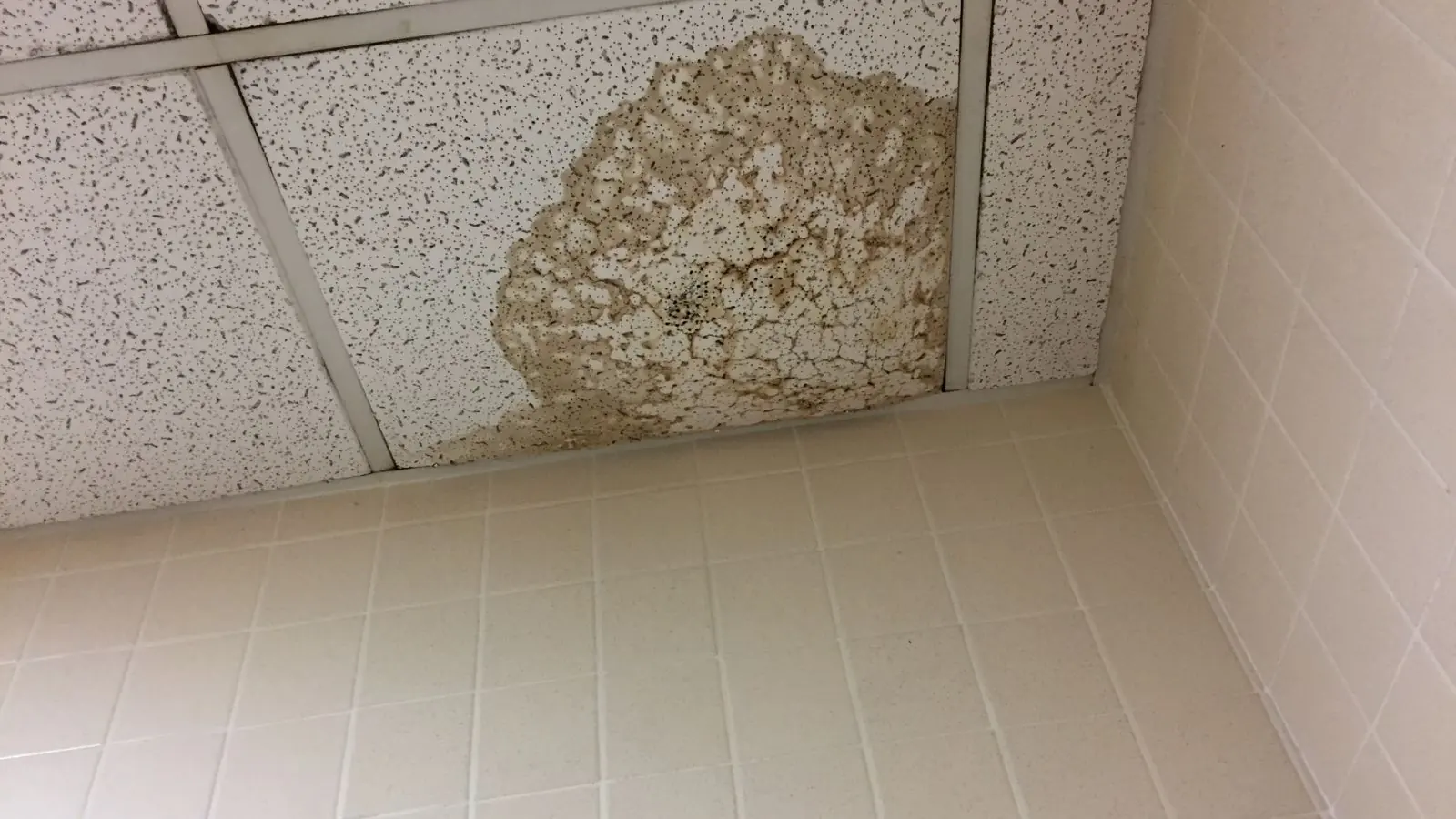
Why a stain is not a price
A ceiling stain the size of a dinner plate can be a ten minute patch or a drying job across two rooms. The visible stain tells you almost nothing about how much material is wet, which is why a quote built on the stain alone tends to change.
Repair cost is built from three things: how much damaged material must come out, how much must be dried or treated, and how much must be rebuilt and finished. This page names no dollar amounts, since prices depend on the home and the source. It shows the line items so you can see why two reasonable scopes differ.
Five factors that set the cost
Water category and source
Clean water from a supply line is simpler than contaminated water from a drain or backup. The category also decides whether materials can be cleaned and kept or must be removed.
Area and number of rooms
A single patch and a ceiling that spans a hallway are different jobs. Size drives drywall, labor and the paint area needed to blend the repair.
Insulation and framing
Wet insulation above the ceiling usually comes out and gets replaced. If framing is stained or damp, drying time and equipment run longer.
Texture, height and finish
Knockdown and popcorn textures are harder to match than smooth. High or vaulted ceilings need scaffolding and more time, and a full-plane repaint is usually needed to hide a patch.
Drying and mold
Equipment days, moisture readings and any mold treatment add line items. Stopping a leak early and drying fast keeps these lower.
The source of the leak is also its own repair, whether that is a roof, a supply line or an air conditioner drain, and it is typically priced by the trade that fixes it.
If the cavity shows dark growth when it is opened, the scope changes shape. That is when mold remediation enters the plan, with containment before the rebuild, and it is one reason an early moisture reading is worth having.
How different scenarios stack up
| Scenario | What is involved | Relative effort |
|---|---|---|
| Dry stain, source fixed | Prime and repaint the ceiling | Low |
| Small wet patch | Dry, cut out, patch, texture, paint | Low to moderate |
| Sagging section with wet insulation | Controlled removal, drying equipment, insulation, rebuild | Moderate to high |
| Multiple rooms or repeat leak | Assessment, extraction or drying, several repairs | High |
| Growth in the cavity | Containment, remediation, rebuild | High |
Where the stain follows a roof or plumbing leak, ask how the repair scope connects to water mitigation drying, since skipping drying is the usual cause of a repeat repair.
What a clear scope looks like
Ask for a written scope that lists what is removed, what is dried, what is rebuilt and what finish is included. If the stain returns after the first coat of paint, ask whether stain-blocking primer and a full ceiling repaint were part of the work or left out.
Ask what is included if the crew opens the ceiling and finds more damage than expected, and how you will be told before extra work begins. A scope with a stated trigger for change, such as another wet insulation bay, is easier to trust than one that says only "ceiling repair."
If the stain is old and you are not sure whether it is still active, a moisture meter reading answers that cheaply before you spend on materials.
Also ask who handles the paint and texture. Some water crews stop at the dry reading and the drywall, while others carry the finish work through, and the difference matters when you compare totals.
Insurance and the repair decision
A homeowners policy often covers water damage that is sudden and accidental. Leaks that run for a long time are often treated differently, and flood damage is typically excluded unless you carry separate flood coverage. Read your policy or ask your insurer before the work starts, and give notice of the loss promptly. Early photographs and moisture readings help.
Compare the scope with your deductible before deciding whether to file. A small patch may cost less than a claim is worth, while a multi-room ceiling and drying job may justify one. The decision belongs to you and your insurer, not the restoration company.
Colton note: home values and repair choices
Census QuickFacts lists Colton's median value of owner-occupied housing at $443,800 and median gross rent at $1,661 for 2020 to 2024. A repair that leaves a wet cavity behind can compromise a home worth that much, so spending on drying and a clean rebuild often protects value better than a quick cosmetic patch.
The same QuickFacts data shows that roughly half of Colton households rent, so many ceiling stains are reported by tenants. If you rent, tell the property manager in writing with dated photos and let the owner decide the repair scope.
If your property is in Bloomington or Grand Terrace instead, the same scope logic holds, and you can read how dispatch works at water damage restoration in Bloomington and the Grand Terrace page.
Frequently asked questions
Usually because the scopes differ. One may include drying, insulation replacement and a full repaint, while another covers only a patch. Ask each company to list what is removed, dried, rebuilt and finished.
Wet insulation usually does, because it holds moisture and loses its value. Dry insulation above a minor stain may stay. A technician checks with a moisture meter before deciding.
It depends on the repair cost against your deductible and on what caused the leak. A sudden, accidental leak is often covered, while a slow one often is not. Read your policy or ask your insurer, and notify them promptly.
The property owner is generally the one who arranges repairs to the structure, and a tenant should notify the manager in writing with photos. Colton's housing is about half renter-occupied, so this comes up often. For legal questions, ask a tenant resource or attorney.
You can get a plain explanation of how the scope is built, but a real price needs a moisture reading and a look at the room above the ceiling. Call, describe what you see, and the crew lays out scope and pricing before any work begins.